

Using a Mailing List to Survey Synchronizer in COVID-19 Response Solutions
What's on this page
About the Mailing List to Survey Synchronizer
The mailing list to survey synchronizer is a workflow that serves as a key component of a COVID-19 Response Solution’s setup. It ensures that the data collected concerning vaccination status and symptom checks is synchronized on a daily basis, so that dashboards reflect near real-time data.
Qtip: The mailing list to survey synchronizer is only available to some users who have had a COVID-19 Response Solution implemented on their brand. If you are interested in this solution, please reach out to your Technical Success Manager or your Account Executive.

Qtip: The COVID-19 Response Solutions described on this page are not the same as these COVID-19 Solutions.
The Mailing List to Survey Synchronizer’s Role in a COVID-19 Response Solution
Our COVID-19 Response Solutions can help keep your organization safe by assuring that everyone coming onsite has been cleared based on their answers to CDC, local, and/or organizational health screening requirements.
This solution is run using a series of interconnected surveys, which may vary in exact naming, number, and setup. The two surveys most relevant to the mailing list to survey synchronizer are:
The mailing list to survey synchronizer is a workflow located in the Vaccination Attestation Project. If someone responds to the Vaccination Attestation Project, there is a web service workflow that will make an API call to update responses in the Employee Status Project. The web service pulls over the survey ID and assorted embedded data, such as a VaccinatedStatus that indicates whether or not that person is vaccinated. The mailing list to survey synchronizer is then scheduled to refresh on a daily basis, so everyone’s information can be kept up-to-date in the dashboard.
Qtip: If you have implemented a COVID-19 Back to School Solution, the surveys most relevant to the mailing list to survey synchronizer will be the the “Daily symptom checker survey” and the “Near real-time respondent tracker survey.” The “Daily symptom checker “asks students and faculty whether they have displayed any COVID-19 symptoms, and based on how they answer, assigns a status that determines whether they can come to the campus that day. On the other hand, the “Near real-time respondent tracker” solely exists to be updated by the mailing list to survey synchronizer. It carries data on every student and faculty member’s status for the day (i.e., whether each person can return to the campus, has not responded, has severe symptoms, and so on).
Enabling the Mailing List to Survey Synchronizer Extension
Qtip: In most cases, the mailing list to survey synchronizer would have been set up for you by a Qualtrics Product Implementation Specialist. The steps described in this section may already be completed.
A Brand Administrator will have to enable the mailing list to survey synchronizer for the organization before it can be used in any surveys.
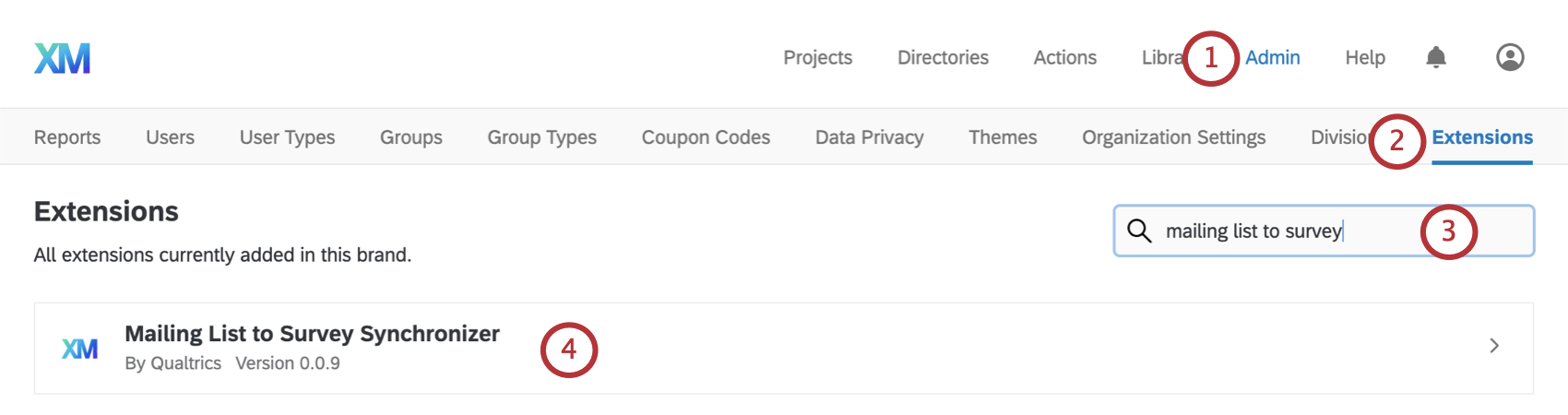
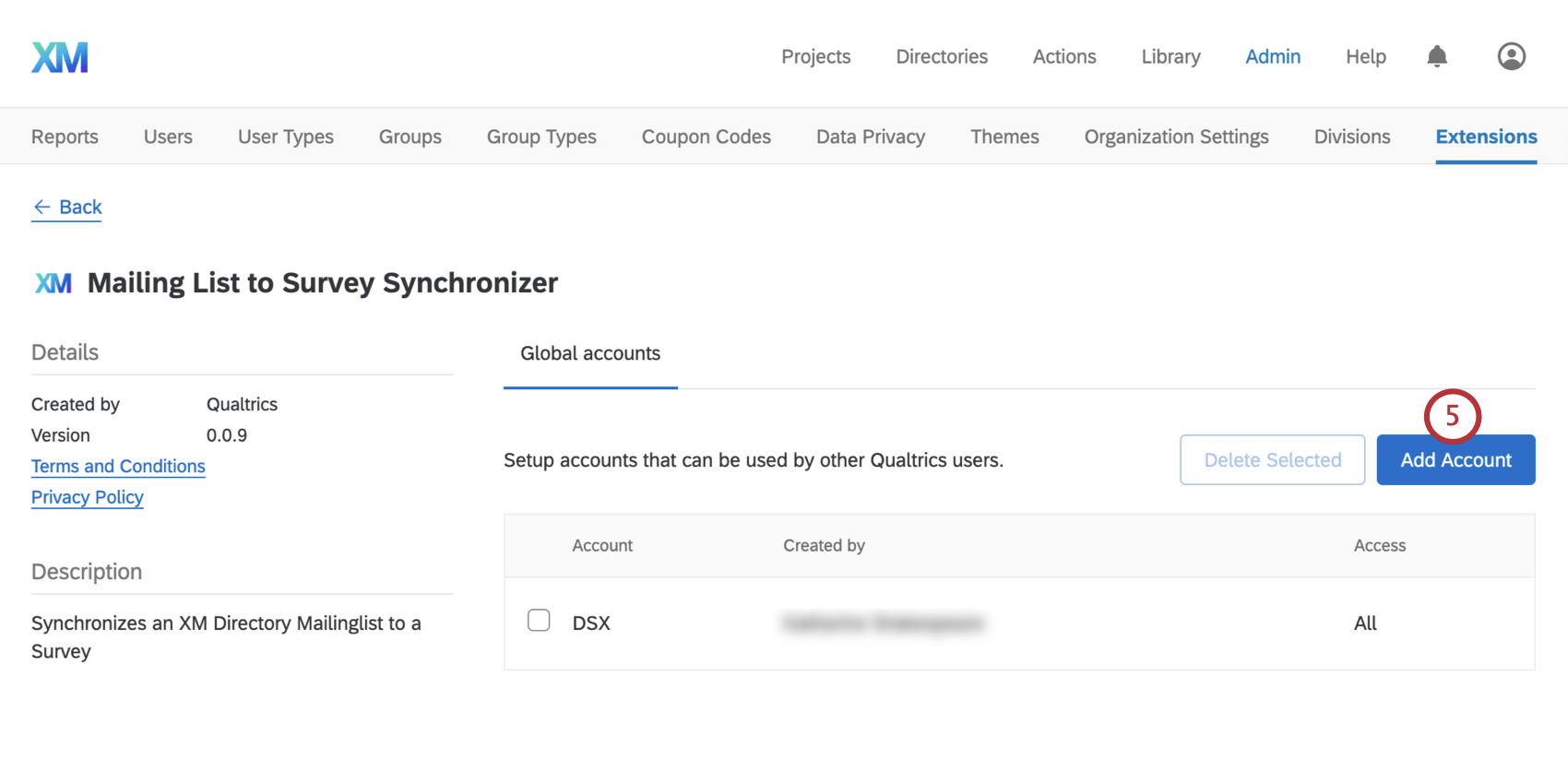
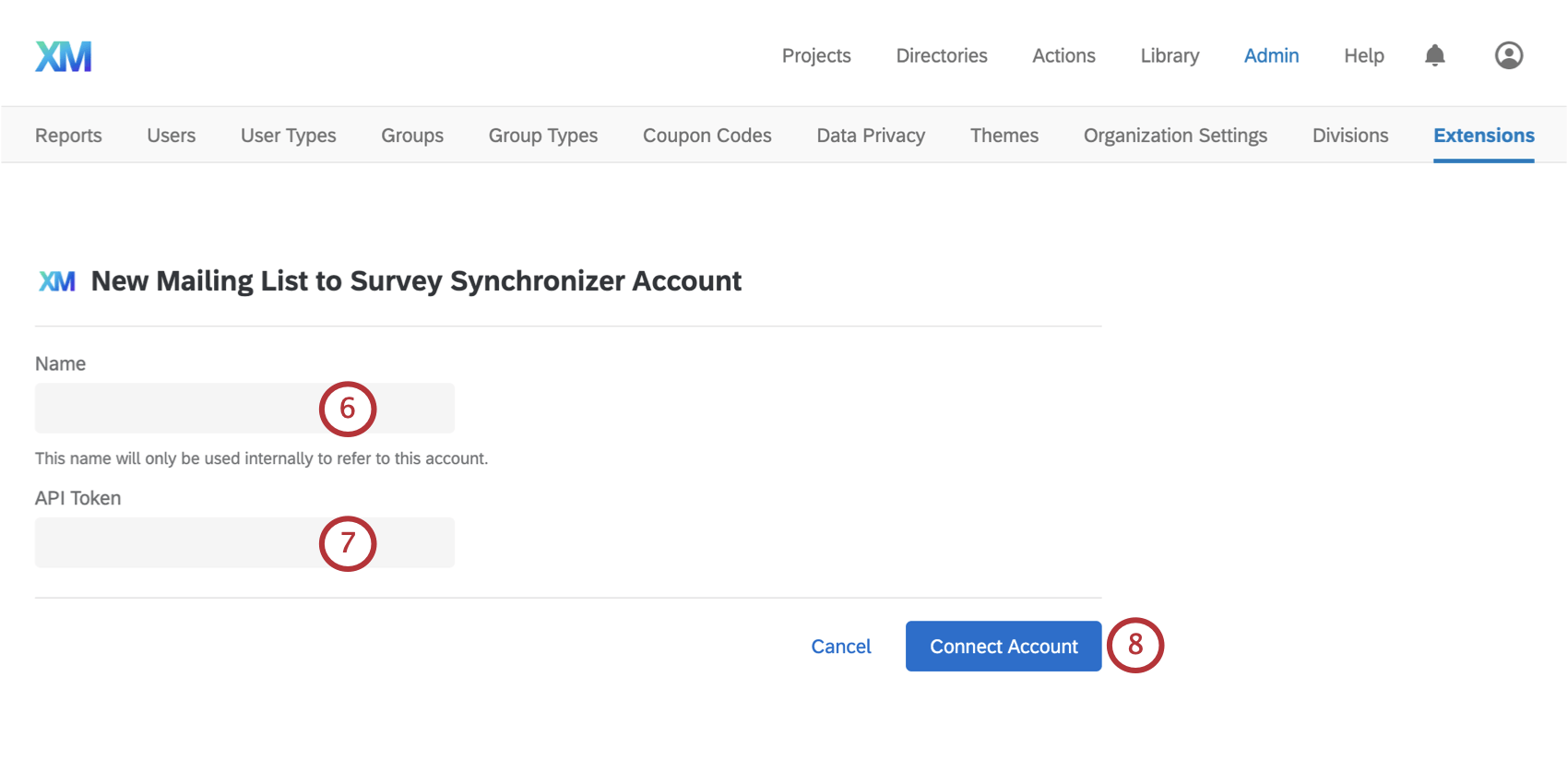
Qtip: If you cannot find the mailing list to survey synchronizer in the Extensions page, contact Qualtrics Support to ensure that this feature has been enabled for your organization.
Setting Up the Mailing List to Survey Synchronizer
Qtip: In many cases, the mailing list to survey synchronizer would have been set up for you by an automated XM Solution or by a Qualtrics Product Implementation Specialist. We recommend only making changes to this set up when absolutely necessary.
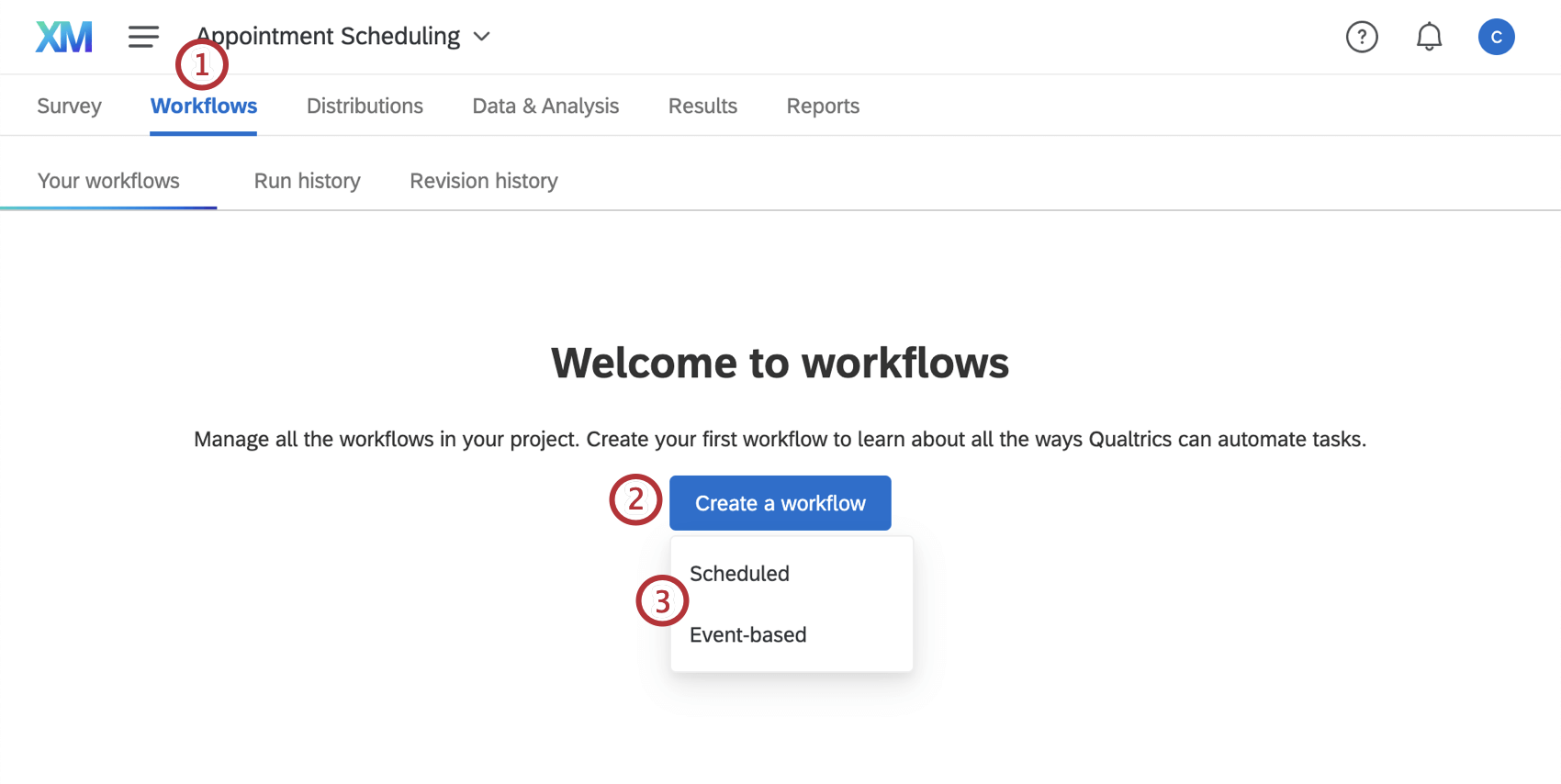
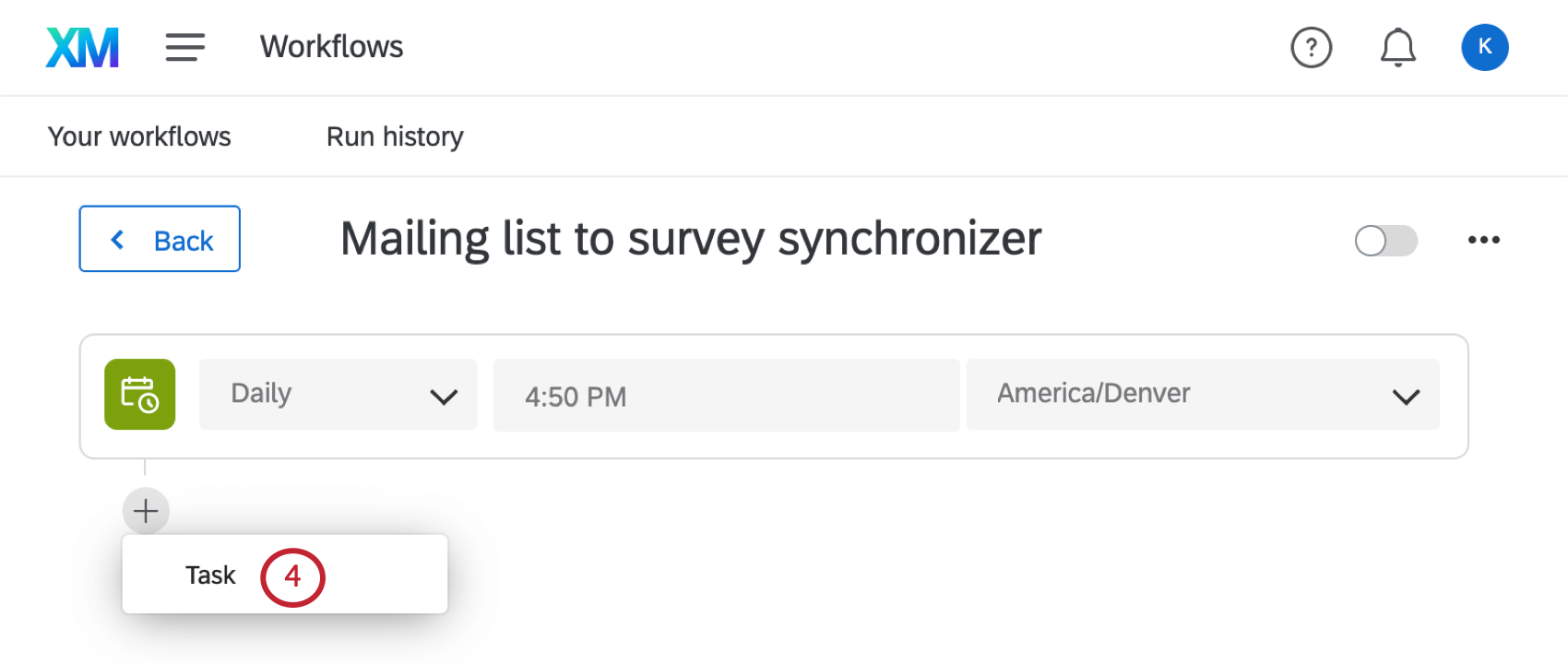
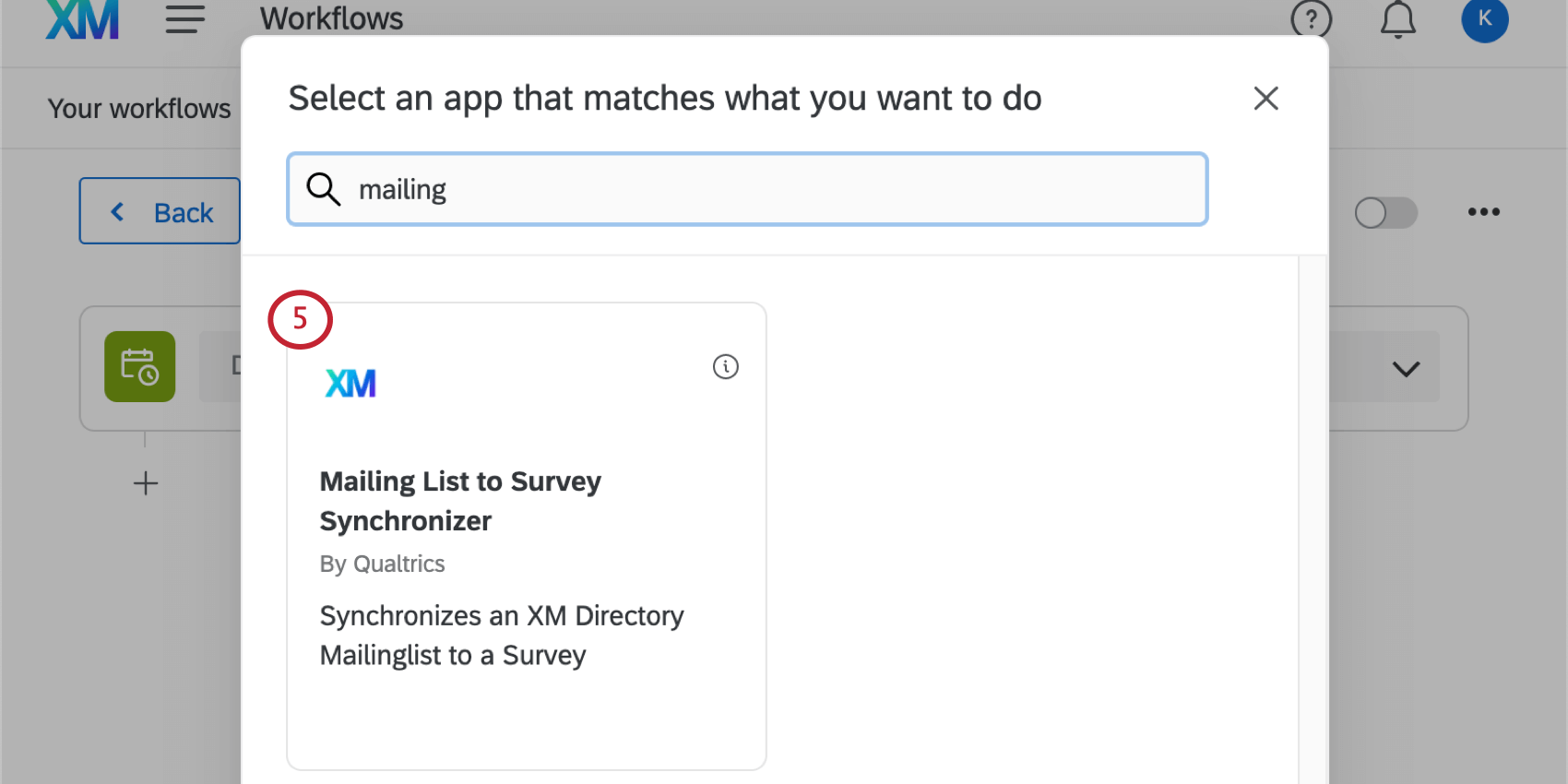
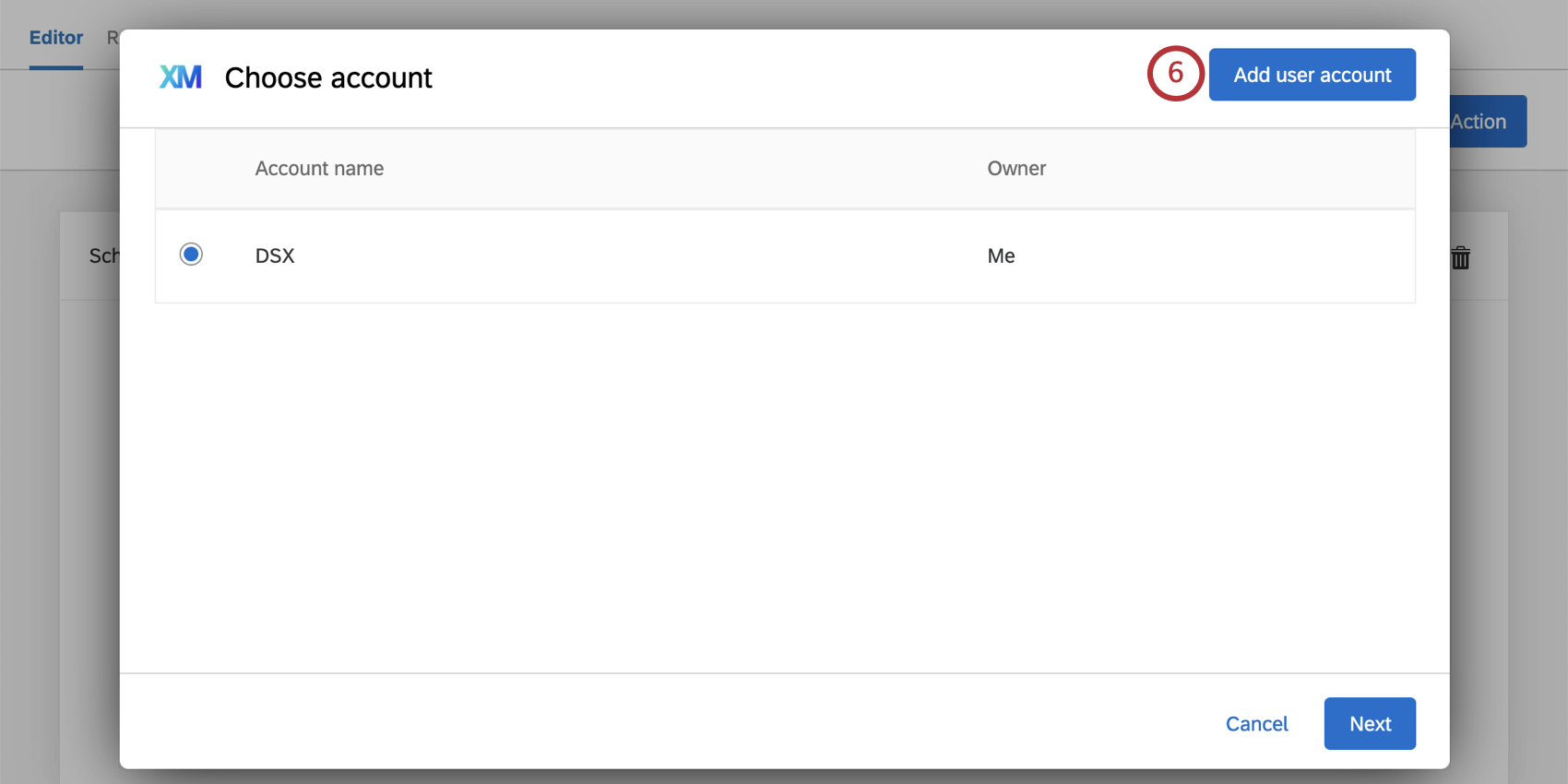
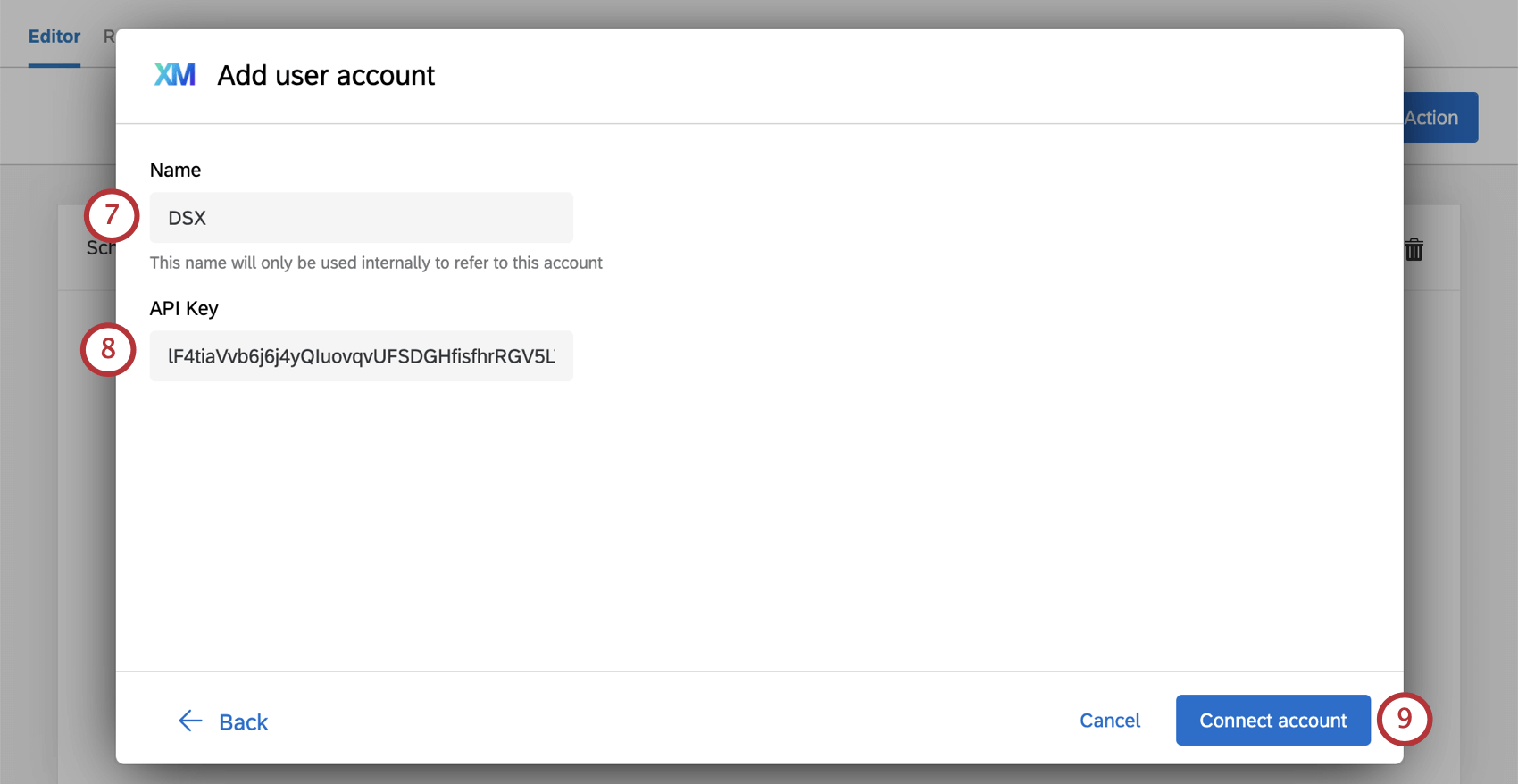
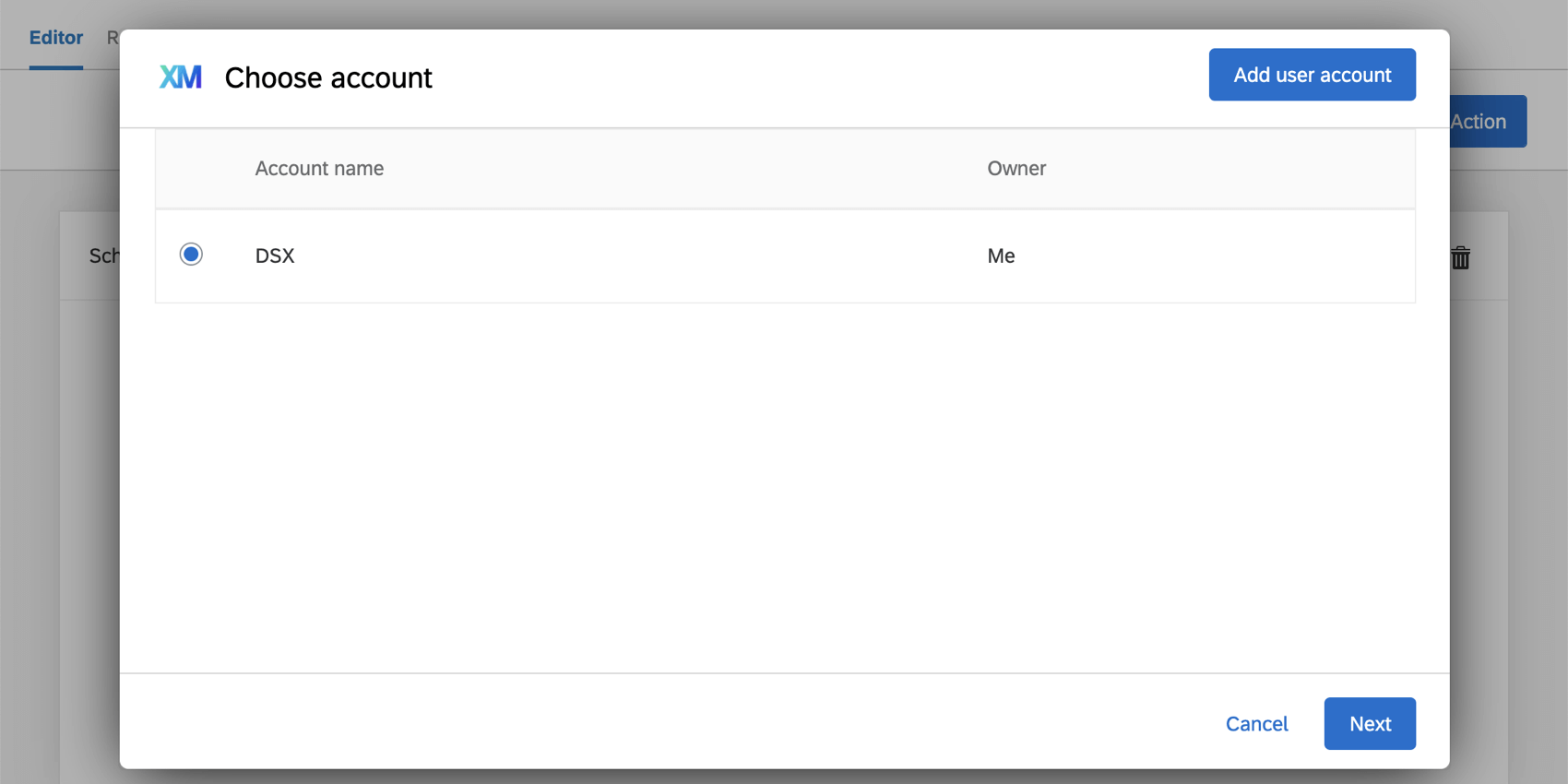
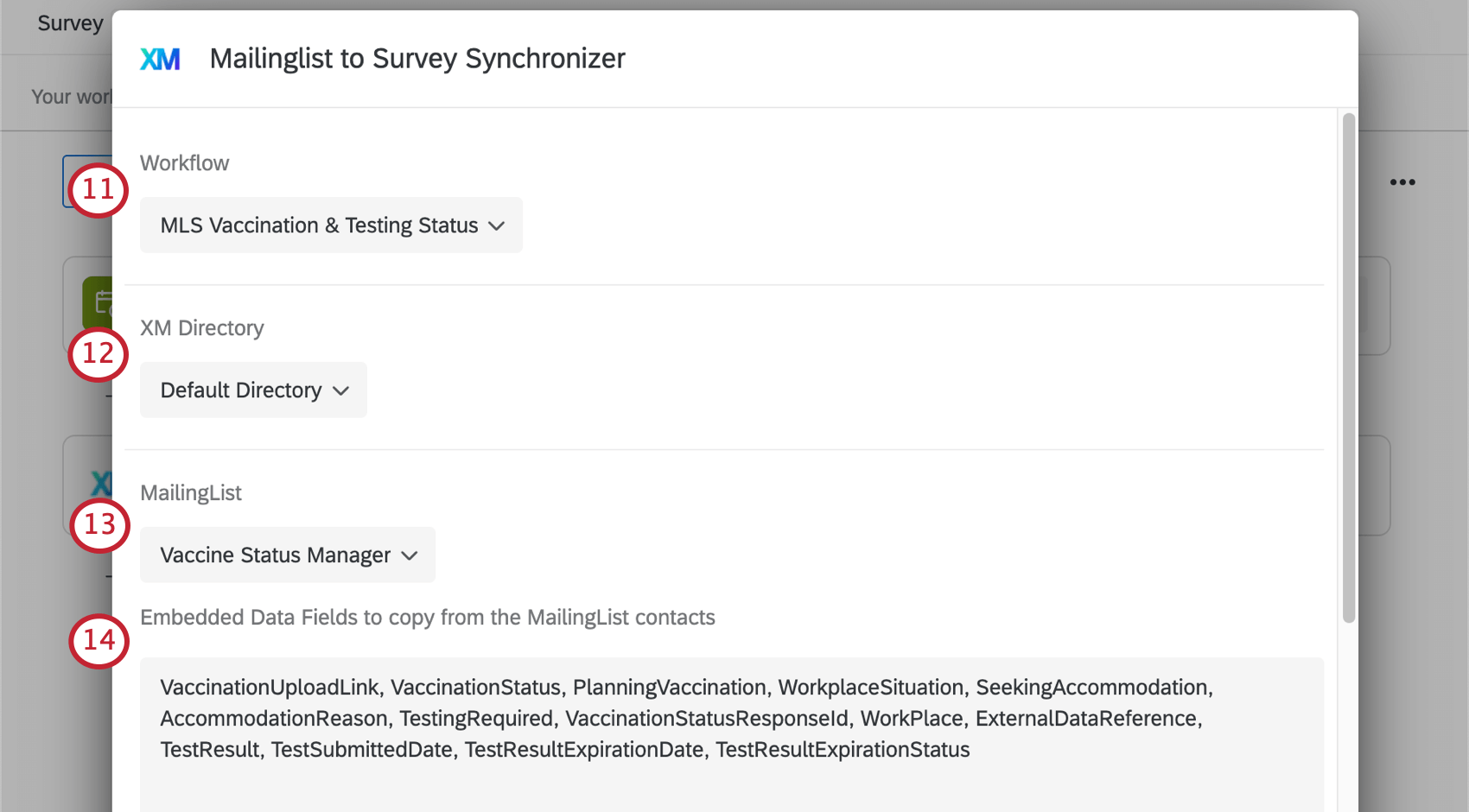
- MLS Daily Attestation: This option was created for COVID-19 Back to School Solutions and is intended for a daily symptom check survey. This version of the mailing list to survey synchronizer comes with a setting called Update status daily to “Not Responded”. When enabled, this setting allows the symptom check survey to reset to “Not Responded” on the scheduled cadence, thus each faculty and student is able to complete the survey again the next day without an old status carrying over.
- MLS Vaccination & Testing Status: This option was created for the Vaccination Status Manager and is intended for the Vaccination Attestation survey.
Qtip: For the Vaccination Status Manager, this is the new directory you created to house employee roster information.
Qtip: The name of this mailing list may vary based on how you and / or your Qualtrics Product Implementation Specialist initially set things up. For COVID-19 Back to School Solutions, this is often called the “Symptom Checker Mailing List.”
Qtip: We advise you to list all or most of the embedded data fields you see in the survey flow of your Vaccination Attestation or Symptom Checker survey. Make sure spelling, capitalization, and spacing match exactly.
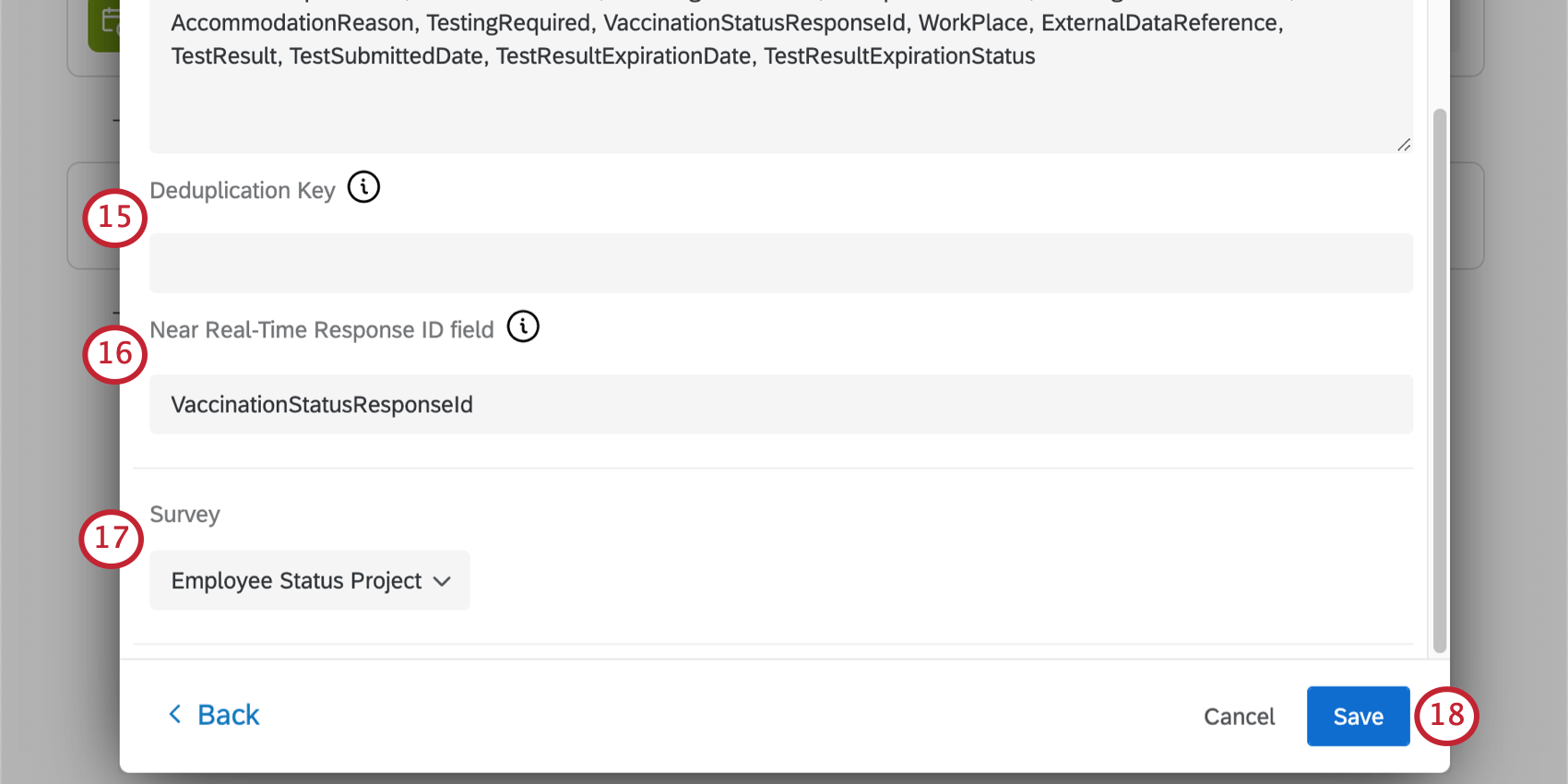
Qtip: Do not change the name of this field after you have collected data.
Qtip: This should generally be the Employee Status Project. The name of this survey may vary based on how you and / or your Qualtrics Product Implementation Specialist initially set things up.
Embedded Data Fields
Attention: The Mailing List Synchronizer can only be used to synchronize up to 25 embedded data fields. Adding more than 25 fields will cause the task to fail.

Attention: Pay careful attention to the spelling and capitalization of the fields listed in this section.
Vaccination Status Manager
In the Vaccination Attestation Project, make sure all the embedded data fields connected to the mailing list synchronizer’s setup are also created in the survey flow. The key embedded data fields that must be set up in the survey flow of the Vaccination Attestation survey include contactId, as well as the same ones that you include in your employee roster file – for example, WorkPlace, VaccinationUploadLink, VaccinationStatus, and so on. See the full list of fields.
Attention: Because it is a reserved field, the ExternalDataReference is not pulled in by the mailing list to survey synchronizer. What this means is you cannot use your employee ID field in your dashboard reports. This field is not vital to reporting, but if you find you want to include it for some reason, all you need to do is add another column of information to your mailing list that has the same employee ID, but a different name – e.g., Employee ID. Make sure if you do this that you still include the ExternalDataReference field in your mailing list.
COVID-19 Back to School Solution
In the Near real time respondent tracker survey, make sure all the embedded data fields connected to the mailing list synchronizer’s setup are also created in the survey flow. Here are the key embedded data fields that must be set up in the survey flow of the Near real time respondent tracker survey:
| Field name | Description |
|---|---|
| Response Status | Whether or not the student/faculty member is cleared to come to campus that day. Possible values include CLEAR, SYMPTOMATIC, GET TESTED, NOT RESPONDED |
| Response Date | Values should be in UTC format, e.g., yyyy-MM-dd. Values should include both date and time. Make sure the variable type is text (the default), not date. |
| firstName | First name of the contact. |
| lastName | Last name of the contact. |
| Email address of the contact. | |
| phone | Phone number of the contact. |
| referenceid | External Data Reference of the contact. |
| contactId* | The ID of the contact in the mailing list. It is critical that “contactId” is spelled correctly; this field is case-sensitive and is required for the automation to run correctly. Please double-check to ensure that this is correct. |
| nearRealTimeResponseID | The response ID for the Symptom checker survey to update via workflow. This field is not required, but is recommended. |
| unsubscribed | Opt-in status of the contact. Possible values include false (the contact is opted in) and true (the contact has been opted out). |
Qtip: You also have the option of including a deduplication key.
Deduplication
Qtip: The synchronizer’s deduplication setting was designed for the daily symptom check in our COVID-19 Back to School Solutions. Employers who are using the Vaccination Status Manager will not need to use this setting.
Deduplication is the act of consolidating duplicate entries in a contact list – in other words, making sure that if the same entries are listed multiple times in a contact list, they aren’t listed multiple times in the dashboard.
A “Duplication Key” is a mailing list field or embedded data field that can be used to identify when entries are duplicates. It is best when this field is some sort of unique identifier, such as a student ID, employee ID, and so on, as opposed to something like a phone number or a last name, which may be shared amongst family members.
Example: Your mailing list may be made up of multiple parents for the same student; when you specify a common key to identify which unique student belongs to which parents, all parents will receive the survey, but only one result will show up in the dashboard per student. Each parent must have the same value in this field to show they belong to the same child.

Example: John and Jane Smith have a daughter named Daphne. Their contacts in XM Directory all have a field named StudentID, and each one contains the value 54321.
Tonya and Tom Redford have a son named Sam. Each contact in XM Directory also has a field named StudentID, and each one contains the value 12345.
In the resulting dashboard, only Daphne and Sam will show up with their symptom status.
The deduplication key must be saved as an embedded data value in the same survey linked to the mailing list synchronizer, the Near Real-Time Respondent Tracker.
Qtip: When choosing a field to deduplicate by, make sure it’s something unique, such as a student or faculty ID.
Qtip: You can use any embedded data field you want, and will generally need to match the spelling and capitalization exactly when you add these fields to the survey flow. However, in order to use the External Data Reference from XM Directory as an embedded data field, please use name the field “ExternalDataReference” with no spaces, as shown below.


Troubleshooting
This section contains some additional troubleshooting and setup advice.
Embedded Data Fields
The mailing list to survey synchronizer will not work if the embedded data fields are not set up correctly. See Embedded Data Fields.
When the Mailing List to Survey Synchronizer Does Not Perform a Daily Data Refresh
If the following conditions are ALL met in the COVID-18 Back to School Solution, the Mailing List to Survey Synchronizer will not refresh the data as scheduled:
- If firstName, lastName, email, & phone have not been updated.
- If the additional embedded data fields have not been updated.
Qtip: In the COVID-19 Back to School Solution, the conditions under which the workflow will not update are similar, but the Response Status must also be “NOT RESPONDED.”
Workflow Reporting
Information on the mailing list to survey synchronizer is not available in the workflow report. If the information in your Employee Status Project / Near real time respondent tracker does not update within at least six or so hours of when it is supposed to, reach out to Support.
FAQs
How do I add or remove an extension from my Qualtrics account?
How do I add or remove an extension from my Qualtrics account?
That's great! Thank you for your feedback!
Thank you for your feedback!